Environmentally Friendly Deck Builders: Sustainable Options for Your Outdoor Living
Sustainable deck builders are revolutionizing outdoor living spaces with eco-friendly methods. They prioritize materials that lessen ecological impact, like bamboo and salvaged wood. Their designs often feature energy-efficient elements, promoting a balance with nature. However, the decision to choose these builders involves more than just aesthetics. Understanding the true benefits and implications of eco-friendly decking can lead to a more informed choice. What factors should one consider before making this commitment?
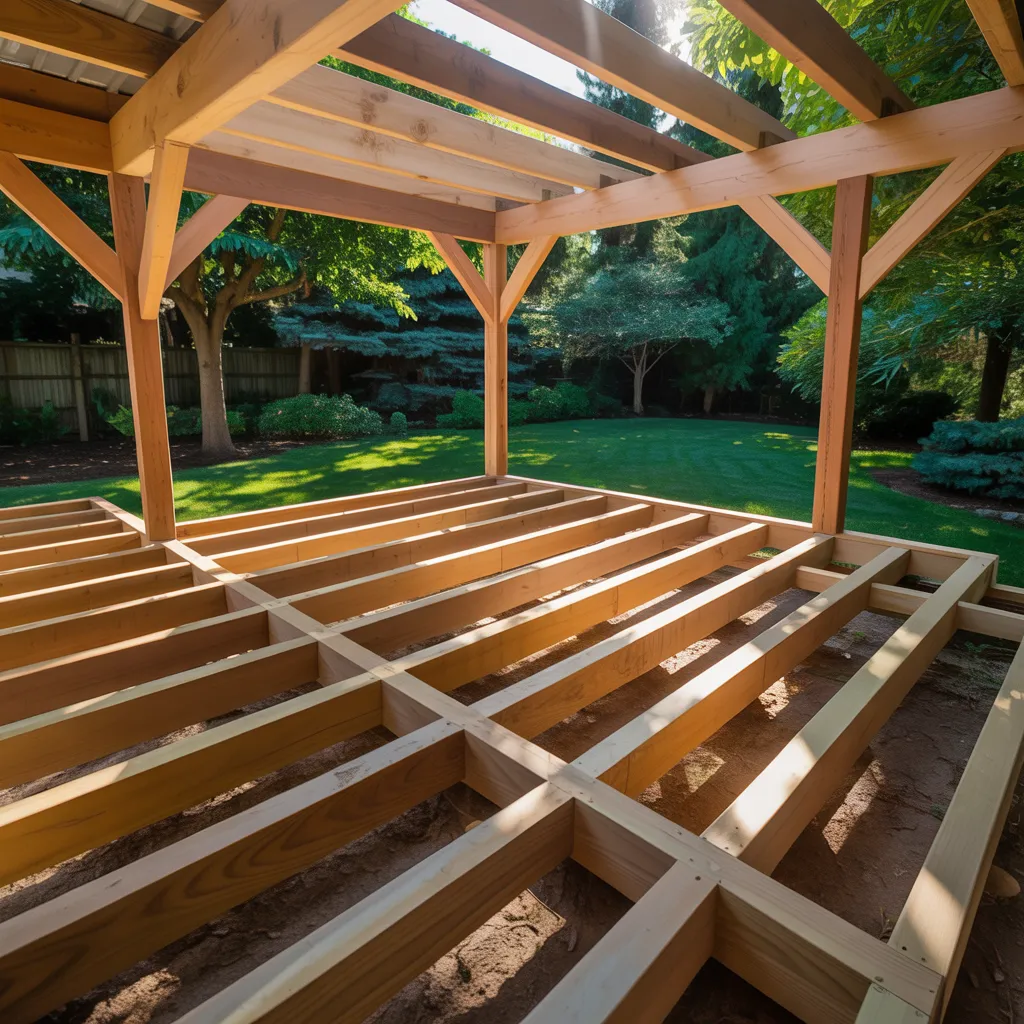
What Makes Eco-Friendly Deck Builders the Right Choice
Selecting environmentally conscious deck builders has a profound effect on both the environment and the homeowner's experience, as such professionals focus on environmentally responsible materials and techniques. By choosing builders dedicated to sustainable practices, homeowners play a role in lowering their carbon footprint. These professionals commonly employ renewable resources, making certain that all materials are sustainably obtained and have minimal environmental impact.
Furthermore, environmentally conscious deck builders find out about this are well-versed in energy-efficient designs, which can transform outdoor environments while advancing eco-friendly practices. They commonly utilize practices that minimize waste during construction, further supporting sustainable environmental practices. Residents enjoy more than just visually stunning outdoor deck additions but also from greater structural durability and decreased maintenance expenditures associated with sustainable materials.
Ultimately, selecting eco-friendly deck builders cultivates a harmonious connection with the natural world and positions homeowners within a thriving movement centered on environmental responsibility. This decision demonstrates a dedication to conscientious living, rendering it a sound investment for both individual satisfaction and ecological preservation.
Understanding Environmentally Friendly Solutions for Building Your Deck
A wide range of sustainable materials can be found for deck construction, each providing distinct advantages that cater to environmentally conscious homeowners. Bamboo, celebrated for its quick regeneration and eco-friendly properties, functions as a durable, lightweight choice. Reclaimed wood, salvaged from old structures, minimizes waste and provides a rustic charm. Composite materials, generally composed of recycled plastic and wood components, deliver exceptional longevity while demanding little maintenance relative to standard wood options. Furthermore, sustainably sourced hardwoods, certified by organizations like the Forest Stewardship Council, ensure ethical woodland management.
An additional option is sustainable concrete, which can incorporate recycled aggregates, minimizing the environmental impact. Additionally, natural stone provides a lasting, attractive solution that blends seamlessly with exterior landscapes. By opting for these eco-conscious materials, property owners not only improve the visual appeal of their exterior areas but also contribute positively to environmental conservation efforts.
How to Plan an Eco-Friendly Deck
Crafting an green deck demands thoughtful choosing of eco-conscious materials and energy-saving elements. By prioritizing materials that reduce ecological footprint, designers can create installations that complement the natural landscape. Furthermore, integrating features that improve energy performance leads to a more environmentally responsible outdoor environment.
Eco-Friendly Material Selections
Although many homeowners prioritize visual appeal in their outdoor areas, incorporating sustainable material choices is vital for creating an eco-friendly deck. Opting for materials like reclaimed wood, bamboo, or composite decking made from recycled plastics can greatly reduce environmental impact. These selections not only reduce deforestation but also lessen landfill waste. Furthermore, choosing sustainably sourced or certified woods ensures responsible harvesting practices. Homeowners can also explore permeable materials for decking, which support water drainage and limit runoff. Utilizing local materials can further decrease the carbon footprint connected to transportation. By emphasizing these sustainable choices, homeowners can create outdoor spaces that align with nature while encouraging ecological stewardship.
Eco-Friendly Design Characteristics
Including energy-efficient design features is vital for creating an environmentally conscious deck that enhances sustainability. Architects can boost natural ventilation by carefully positioning openings and employing materials that enable air circulation. Incorporating shading elements, such as pergolas or awnings, minimizes heat absorption, ensuring the deck remains comfortable in summer months. Moreover, integrating solar-powered lighting can reduce energy consumption while providing ambiance. Opting for lighter colors for the deck surface can bounce back sunlight, further decreasing heat retention. Rainwater collection systems can also be incorporated to control water runoff and irrigate surrounding plants. By focusing on these energy-efficient features, contractors not only create a functional outdoor space but also make a positive environmental impact. This approach ultimately promotes a harmonious balance between aesthetics and sustainability.
Eco-Friendly Methods in Deck Building
Numerous builders are increasingly adopting eco-friendly methods in deck building to minimize environmental impact and enhance sustainability. This change encompasses utilizing renewable materials such as bamboo and reclaimed wood, which considerably decrease the environmental impact tied to standard lumber. Furthermore, developers are adopting innovative construction approaches that improve thermal efficiency and minimize energy waste, creating more comfortable outdoor spaces.
Solar-powered lighting solutions are also becoming popular, enabling decks to be lit without relying on nonrenewable energy resources. Moreover, numerous builders are integrating permeable decking materials to enhance water drainage and reduce runoff, supporting local ecosystems.
Finally, the incorporation of low-VOC (volatile organic compounds) finishes ensures that hazardous emissions are significantly reduced, promoting safer outdoor surroundings. Via these techniques, deck construction specialists are not only handling immediate environmental considerations but also creating a pathway toward a greener tomorrow in outdoor construction.
Searching for Eco-Friendly Deck Builders?
In what ways can homeowners successfully identify and evaluate green deck builders? To begin, homeowners should look for builders who hold certifications in sustainable construction methods, including credentials issued by the Forest Stewardship Council or comparable regulatory bodies. These certifications reflect a genuine commitment to adopting eco-conscious materials and building approaches. Homeowners can also examine the builder's portfolio for past projects that emphasize sustainability, such as the incorporation of reclaimed lumber or composite materials derived from recycled content.
Moreover, reviews and testimonials from previous clients can provide insights into the contractor's dependability and commitment to sustainable practices. Engaging in direct conversations with potential builders allows homeowners to inquire about their material sourcing methods and waste reduction approaches. In addition, comparing multiple quotes can help assess the overall value while confirming that environmentally responsible practices are emphasized. By adhering to these guidelines, homeowners can successfully identify a deck builder who shares their commitment to sustainability.
Eco-Friendly Deck Pricing
The cost of eco-friendly decks can vary considerably depending on materials, design, and labor. Environmentally friendly materials, including reclaimed wood, composite products, or bamboo, often come at a premium compared to standard materials. To illustrate, while pressure-treated lumber may be less expensive, green alternatives may necessitate a larger initial expenditure while still delivering long-term value, including durability and reduced environmental impact.
Design elements also affect the general pricing, with elaborate configurations or upgrades driving up costs. Workforce charges may vary according to the intricacy of the project and the experience of the construction team. Homeowners should consider not only the immediate investment but also the long-term benefits of reduced upkeep and improved energy performance. In the end, committing to an environmentally conscious deck can result in both ecological gains and monetary savings, making it a worthwhile consideration for many homeowners.
Care Tips for Sustainable Decking
Consistent maintenance is vital for guaranteeing the lifespan and appearance of eco-friendly decks. Homeowners should perform routine inspections to spot any evidence of damage, such as loose boards or splintering. Maintaining a regular deck cleaning schedule with a mild soap and water solution aids in eliminating dirt and natural buildup that can contribute to the growth of mold or mildew. For natural wood decks, administering a natural coating or sealant at regular intervals of a few years can shield against weather-related deterioration and elevate the overall look of the wood.
Homeowners should also steer clear of harsh chemical products, as they can negatively impact the environment and deteriorate the materials. Additionally, ensuring plants and foliage are kept cut back reduces moisture buildup and limits pest infestations. By adhering to these maintenance practices, property owners can ensure their sustainable decks remain both functional and visually appealing while keeping their environmental impact to a minimum. Consistent maintenance not only extends the deck's lifespan but also supports a healthier outdoor environment.
Transforming Your Outdoor Space: Real-Life Examples
While many homeowners seek to enhance their outdoor spaces, practical instances of green deck makeovers highlight the capacity for elegance and environmental responsibility. One remarkable example featured a couple in a residential community who substituted their standard wood deck with composite materials derived from recycled plastic waste. This change not only reduced their environmental footprint but also provided a long-lasting, low-maintenance solution.
Another example is a household that incorporated native plants and permeable pavers into their outdoor deck plan, facilitating better drainage of water and supporting local biodiversity.
Within metropolitan areas, a rooftop deck featuring reclaimed wood and solar panels exemplifies how green living can blend seamlessly with modern architecture, creating a tranquil escape amid the cityscape.
Such transformations highlight how intentional design decisions can lead to exterior areas that are both visually appealing and environmentally responsible, proving that eco-conscious design need not compromise on elegance.

Common Questions and Answers
What Credentials Should Environmentally Conscious Deck Builders Possess?
Sustainable deck construction professionals should hold qualifications like LEED, FSC, or SFI. These qualifications reflect compliance with sustainable practices, responsible sourcing of materials, and dedication to limiting environmental damage across building and design operations.
What Eco-Friendly Options Are Available for Deck Lighting?
Eco-friendly options for deck lighting certainly include energy-efficient designs, solar-powered fixtures, and LED lights. These alternatives reduce energy consumption and reliance on non-renewable resources, making them sustainable choices for outdoor illumination.
How Does the Lifespan of Sustainable Materials Compare to Traditional Ones?
Sustainable materials typically last as long as, or longer than, traditional options when properly maintained. Elements like environmental conditions and material grade affect lifespan, making thoughtful selection critical for strength and performance across the long term.
Is It Possible to Use Recycled Materials for My Deck?
Yes, recycled materials serve as an excellent choice for decking. Made from reclaimed wood or plastic, such materials deliver both durability and ecological benefits, acting as a green alternative to standard decking solutions while retaining their visual attractiveness.
What Environmental Advantages Come With Choosing an Eco-Friendly Deck?
Choosing an eco-friendly deck promotes sustainability by minimizing waste, protecting natural resources, and lowering carbon footprints. It supports biodiversity through the use of sustainable materials while improving outdoor spaces that complement the environment.